RETRO ARCADE
Thirteen small games that open instantly and ask nothing of you. For the queue, the lift, the five minutes before a meeting.
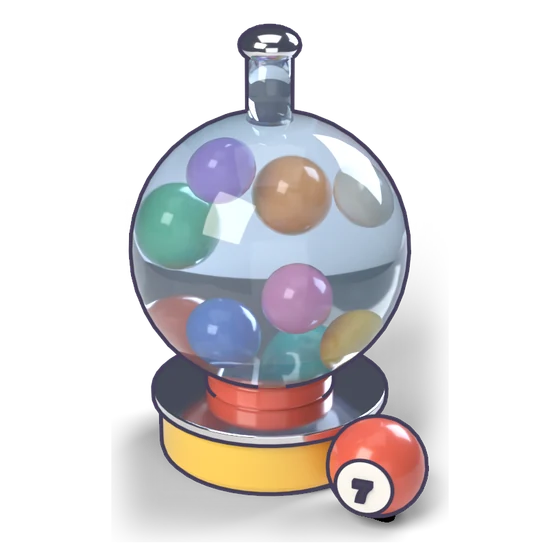 Lotto DrawLucky numbers
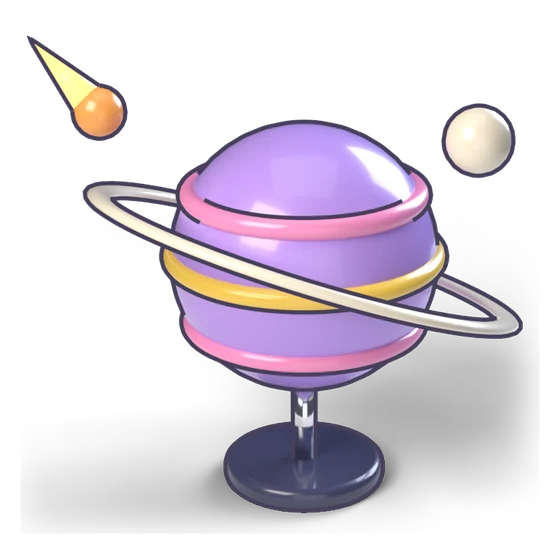 Planet MergeMeteor to black hole
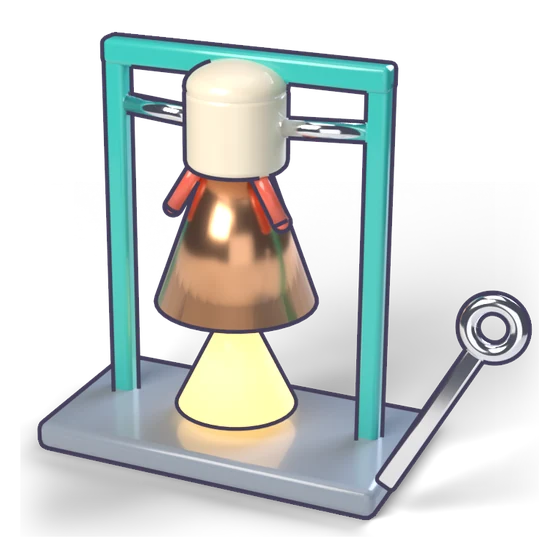 Delta-VFly 6 rocket missions
 Space-ZDodge to the edge of space
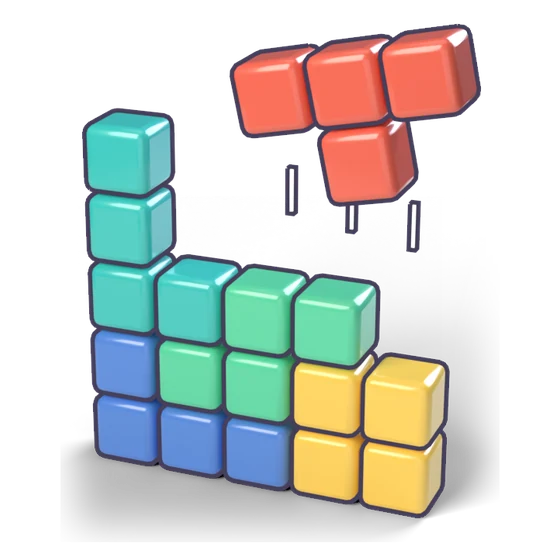 Tetromino StackStack, clear, repeat
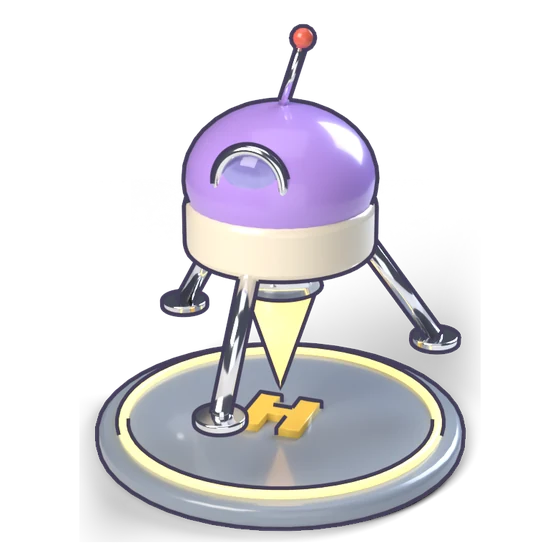 Starship LanderLand it soft
 Brick BreakerBreak them all
 SnakeEat, grow, don't bite
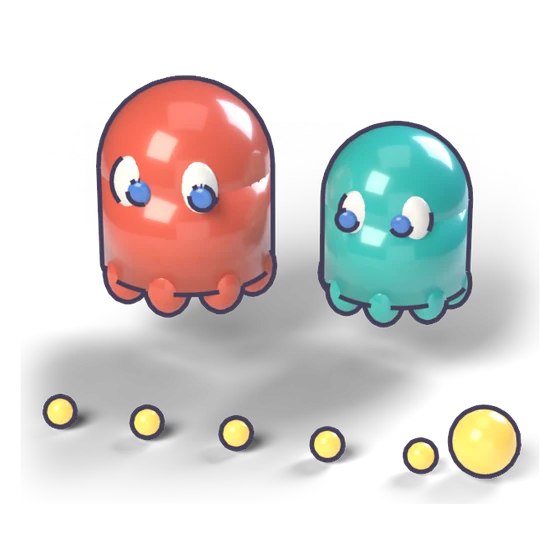 Dot RunnerOutrun the ghosts
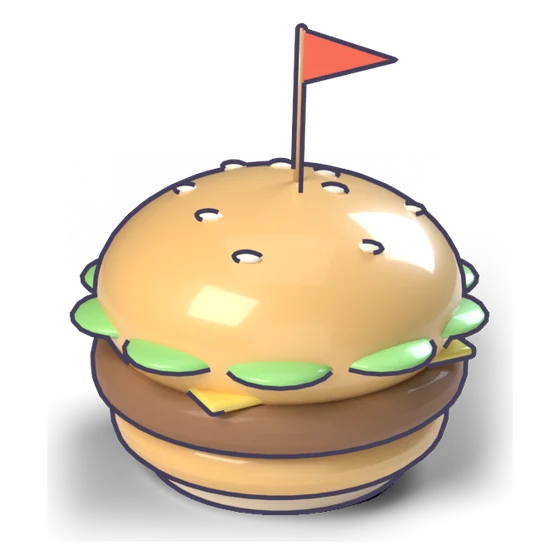 Burger ChefStack in order
 Live QuizTrivia, together
 Bubble BurstMatch 3 & pop
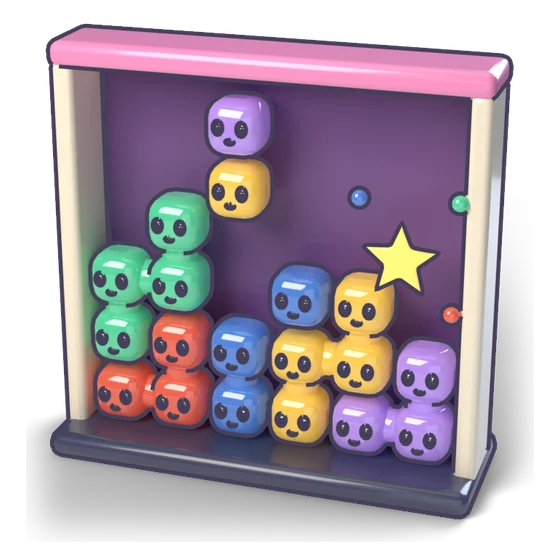 Gummy ChainChain gummies, attack your rival
Why these games outlived everything around them
Most of the games here descend from a machine built between 1976 and 1990. Those had a few kilobytes of memory and no way to explain themselves, so a game either communicated its whole rule set in four seconds or earned nothing. What survived is a small library where the goal is obvious on sight and the difficulty is all execution.
That property is worth more now than it was then. A game opened in a lift has about ten seconds to justify itself. The arcade cabinet had the same constraint, just with a coin slot instead of a back button.
What each one is actually built on
- Snake — a grid with an even cell count always contains a Hamiltonian cycle: a path visiting every square once. Follow it and you can never die, only get slower. Skill is cutting corners off that cycle without trapping yourself.
- Tetromino Stack — a seven-bag randomiser deals all seven shapes before reshuffling, so you never wait more than twelve pieces for the one you need. Luck management becomes planning.
- Brick Breaker — the ancestor of the genre, and the game Wozniak built the original circuit for. The real skill is reading the exit angle, which depends on where the ball hits the paddle.
- Dot Runner — the four pursuers each use a different targeting rule. That is why they seem to coordinate without any code that coordinates them.
- Starship Lander — the optimal descent is the suicide burn: fall as long as possible, then full thrust at the last instant. Least fuel, least margin, most terror.
- Planet Merge — a packing problem. Every merge frees space but enlarges what you store, so you negotiate two quantities moving opposite ways.
Naming and content notes
Dot Runner and Tetromino Stack are original implementations inspired by classic arcade formats. They are not affiliated with or endorsed by the rights holders of any similarly themed commercial game, and the neutral names are deliberate.
Scores and accounts
Every game plays without an account. Signing in adds two things: best runs persist across devices instead of one browser, and you appear on the world and friends boards. Nothing is gated — the whole game plays and the whole leaderboard reads while signed out.