Time-wasting? You have 8 seconds
Hug the ball and lie down. Tie your boots three times while winning. Take a scenic stroll across the whole pitch when subbed off. Those days are numbered. The 2026 World Cup brought a stack of rules aimed straight at the stalling — let's walk through them with the scenes we all know.
We love football, but everyone has wanted to throw the remote at least once. One-nil, deep into stoppage time. The keeper cradles the ball and gazes at the sky. One... two... three. Over by the corner flag, a substitute drifts off the pitch slowly, channelling the energy of the universe. And somewhere, a player who got grazed on the shin rolls over five times. This is the dark art the polite world calls time-wasting.
FIFA and the IFAB have finally taken a blade to the art form. The 2026 North American World Cup rolls out a run of rules aimed squarely at stalling. The logic is simple: dawdle, and it costs you. Here's how those familiar scenes change.
① The 8-second goalkeeper rule — hug the ball, concede a corner
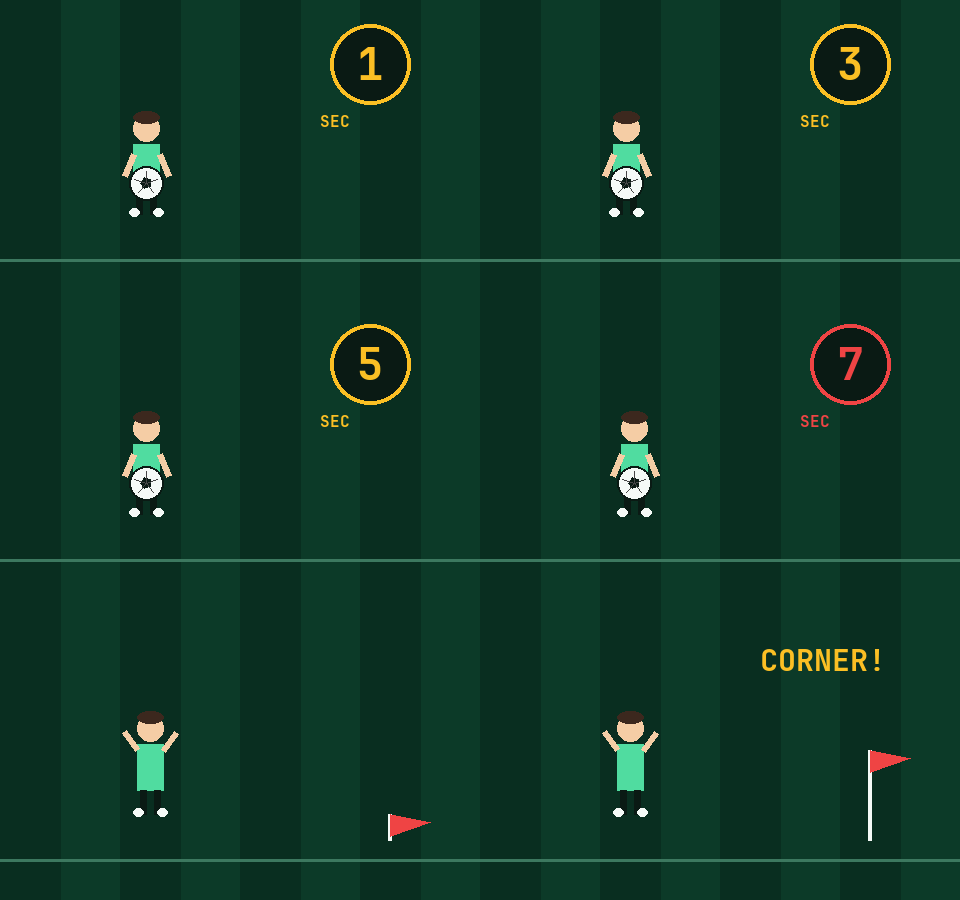
A keeper can now hold the ball for 8 seconds, full stop. The referee raises a hand for a visual five-second countdown, and if the ball isn't released in time, the opponents get a corner kick.
There was already a 'six-second rule.' The catch: the punishment was an indirect free kick inside the box, so dangerous to award that referees essentially never called it. A ghost rule. Swapping the penalty to a corner gives it real teeth, because a corner is genuinely scary.
② The 10-second substitution rule — no more farewell tour
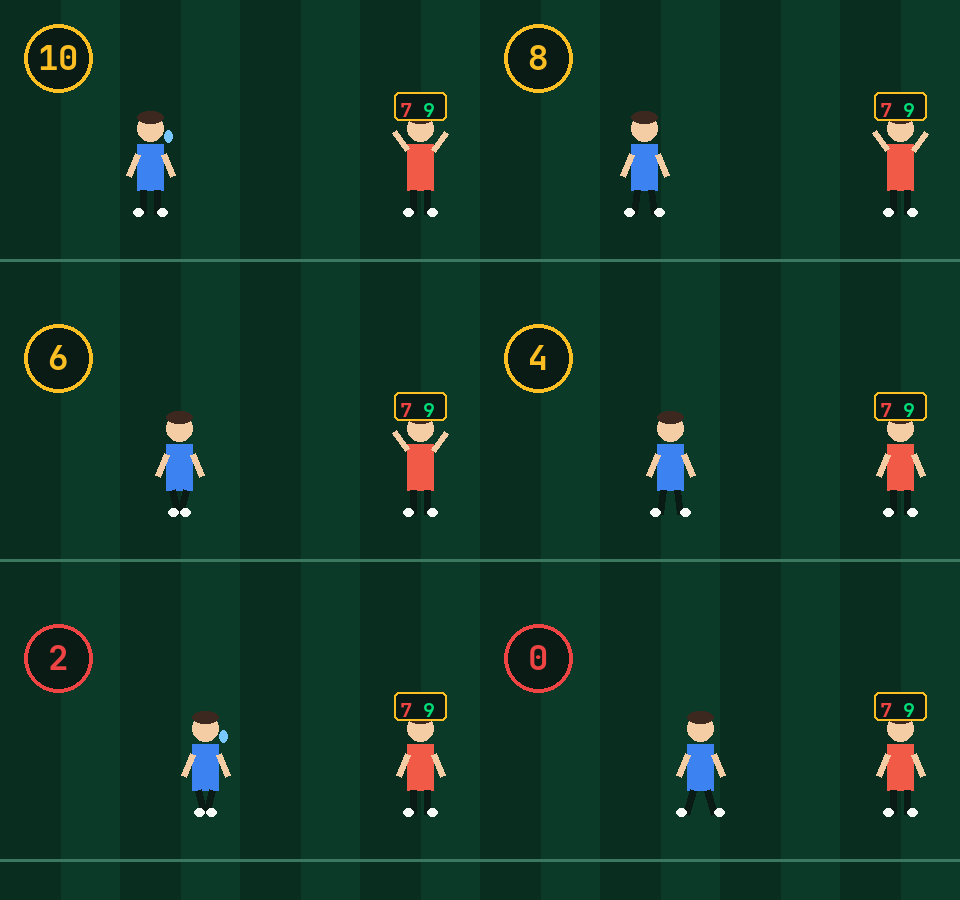
The 'goodbye walk' across the entire field to the farthest touchline is history. When the substitution board goes up, the player must leave within 10 seconds, and at the nearest point on the boundary line.
Dawdle and the substitute can't come straight on. They wait until the first stoppage one minute after play restarts, then enter on the referee's signal. Stall, and your own team plays a man short in the meantime. Beautifully self-defeating.
③ The 1-minute injury sit-out — rolling now has a price
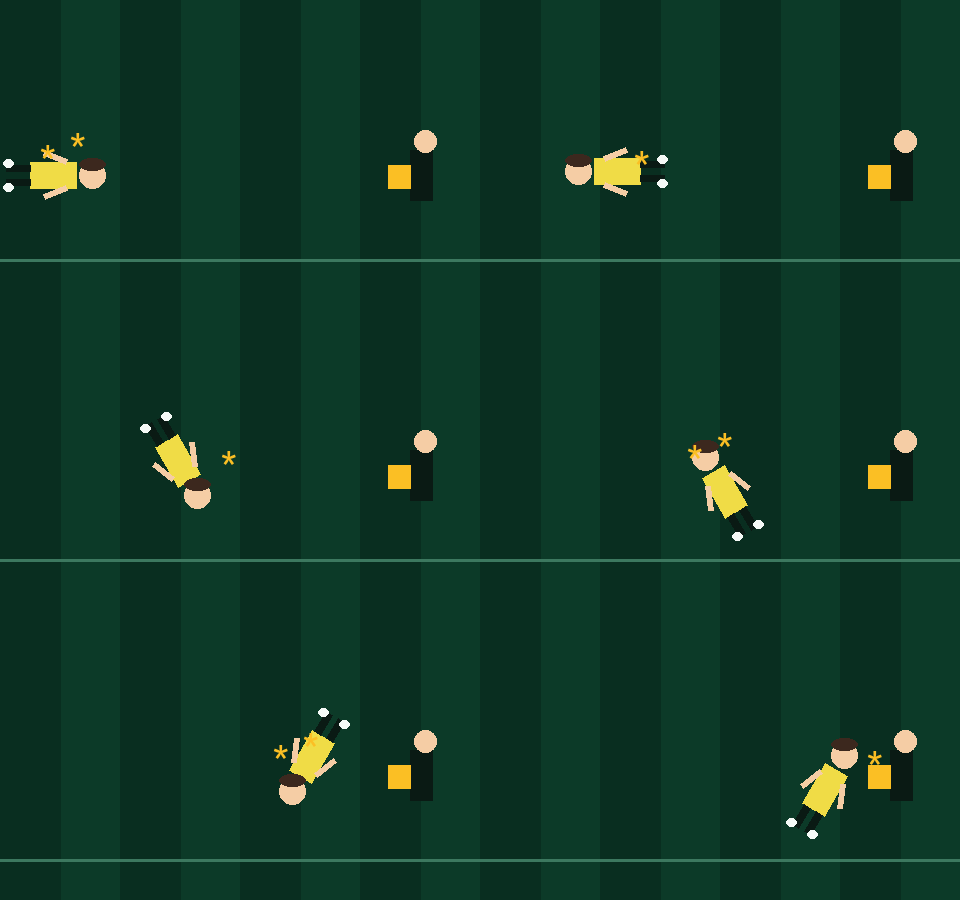
The legendary 'roll.' Barely touched, yet tumbling across the grass expressing the suffering of all humankind. It now comes with a bill.
If an outfield player is treated by medical staff on the pitch, they cannot return for one minute after the restart (a few exceptions aside). If you're truly hurt, of course you get treated. But a 'tactical injury' to burn clock now leaves your team a player down for a minute. You lose more time than you stole.
🎁 Bonus — the rules that came along
- Goal-kick & throw-in countdowns: the referee raises a hand and counts five. Run out of time and the ball goes to the opponents (a corner for a goal kick, a throw-in the other way).
- Covering the mouth = red card: speaking with a hand over your mouth in a confrontation is a sending-off, aimed at curbing abuse. Friendly chat is fine.
- Leaving the field to protest = red card: storming off the pitch to argue a decision is a red; a team that causes a match to be abandoned now forfeits.
- Expanded VAR: clearly wrong second yellows, mistaken identity, and fouls just before a set-piece restart are all reviewable.
- Hydration breaks: a three-minute official drinks break around the 22nd minute of each half — a heat measure, and a way to structure stoppages instead of leaving them to chance.
The message of this World Cup fits on one line: the ball should keep moving for 90 minutes. Keepers get 8 seconds, subs get 10, and faked injuries cost a minute. If it all works, we might throw the remote a little less often in stoppage time.
Of course, players are geniuses at finding the next loophole — expect the art of using exactly 7.9 seconds to arrive soon. But the direction is clear: keep the bed at home, and keep the ball rolling on the pitch.